
How to Choose the Right Holiday Lights for Your Home's Architecture
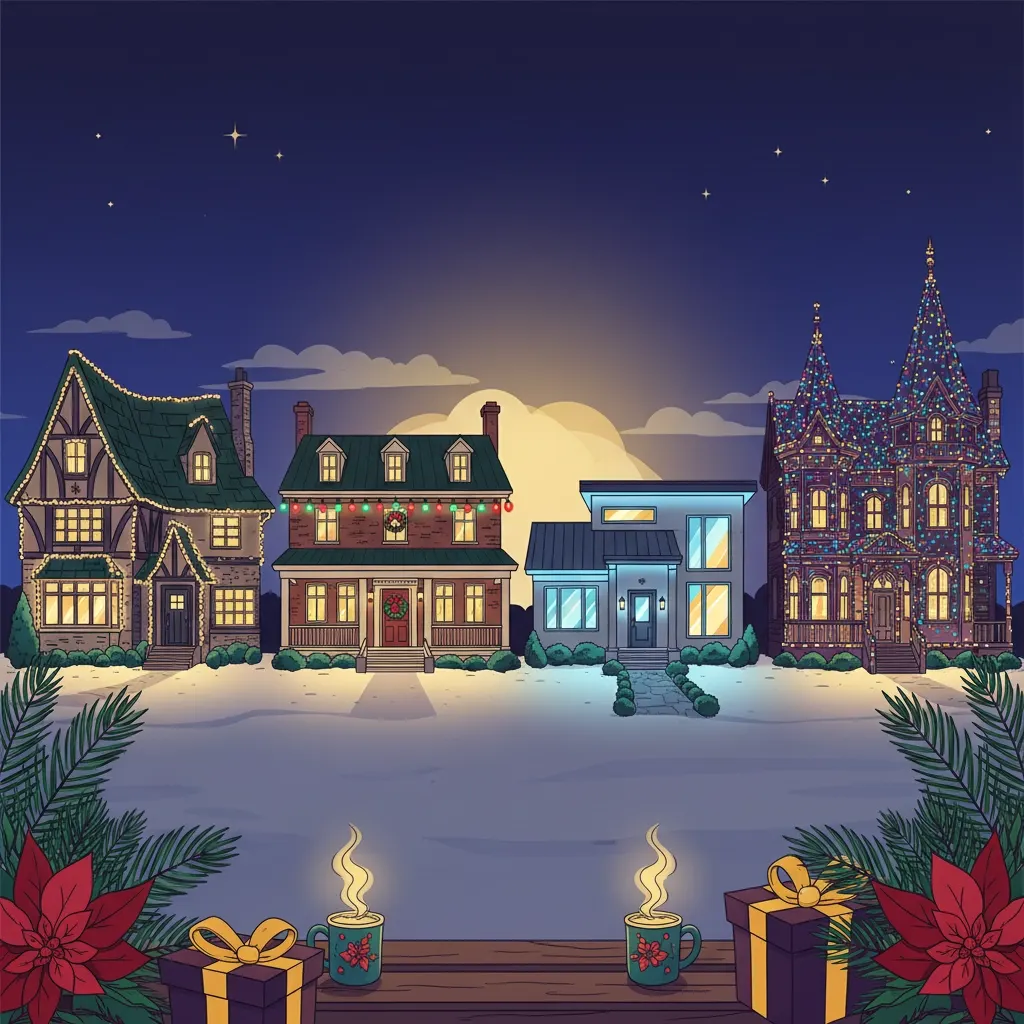
The magic of Christmas lighting transforms neighborhoods into winter wonderlands, but choosing the right lights for your home's architecture makes all the difference between a stunning display and a holiday mishap. Just like Santa carefully plans his route to match each chimney, selecting holiday lights requires understanding your home's unique architectural features and style.
Your home's design tells a story, and the right Christmas lights should enhance that narrative rather than overshadow it. From classic colonials to modern masterpieces, every architectural style has lighting approaches that bring out its best features while creating that perfect festive glow.
Understanding Your Home's Architectural Style
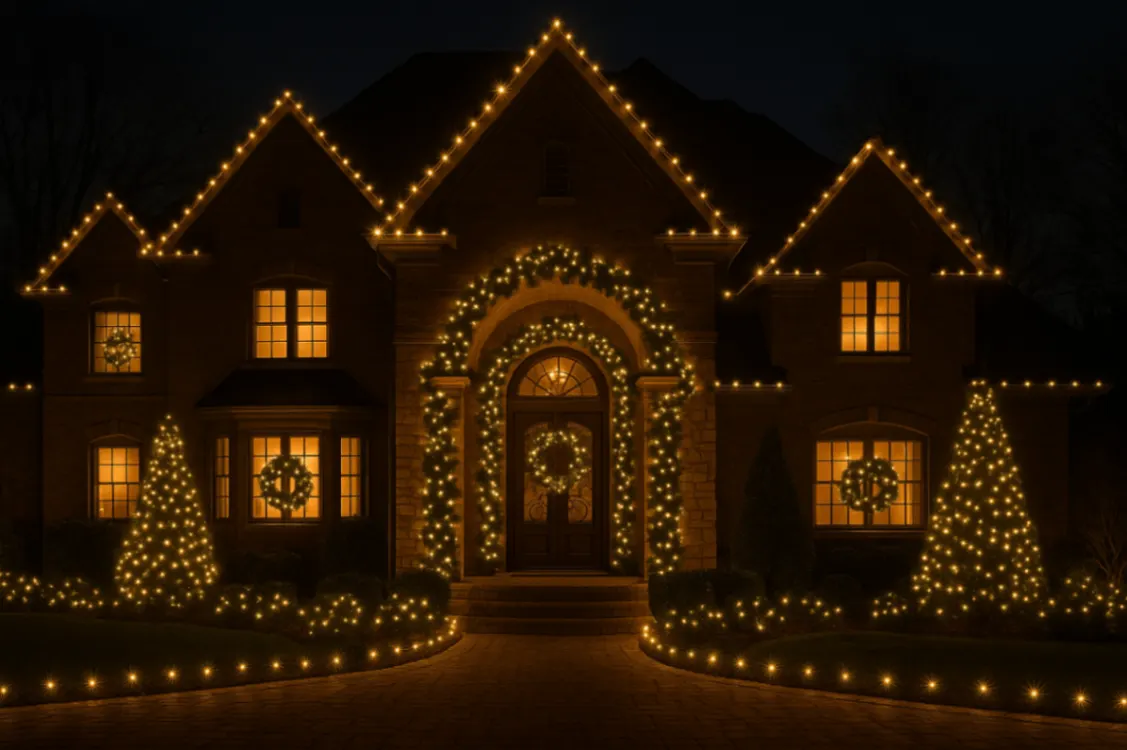
Different architectural styles call for distinct lighting approaches that respect their inherent design principles. Traditional homes with classic features shine brightest with warm, uniform lighting along rooflines and symmetrical window framing. These stately homes benefit from consistent, softly glowing lights that preserve their elegant character without overwhelming their refined details.
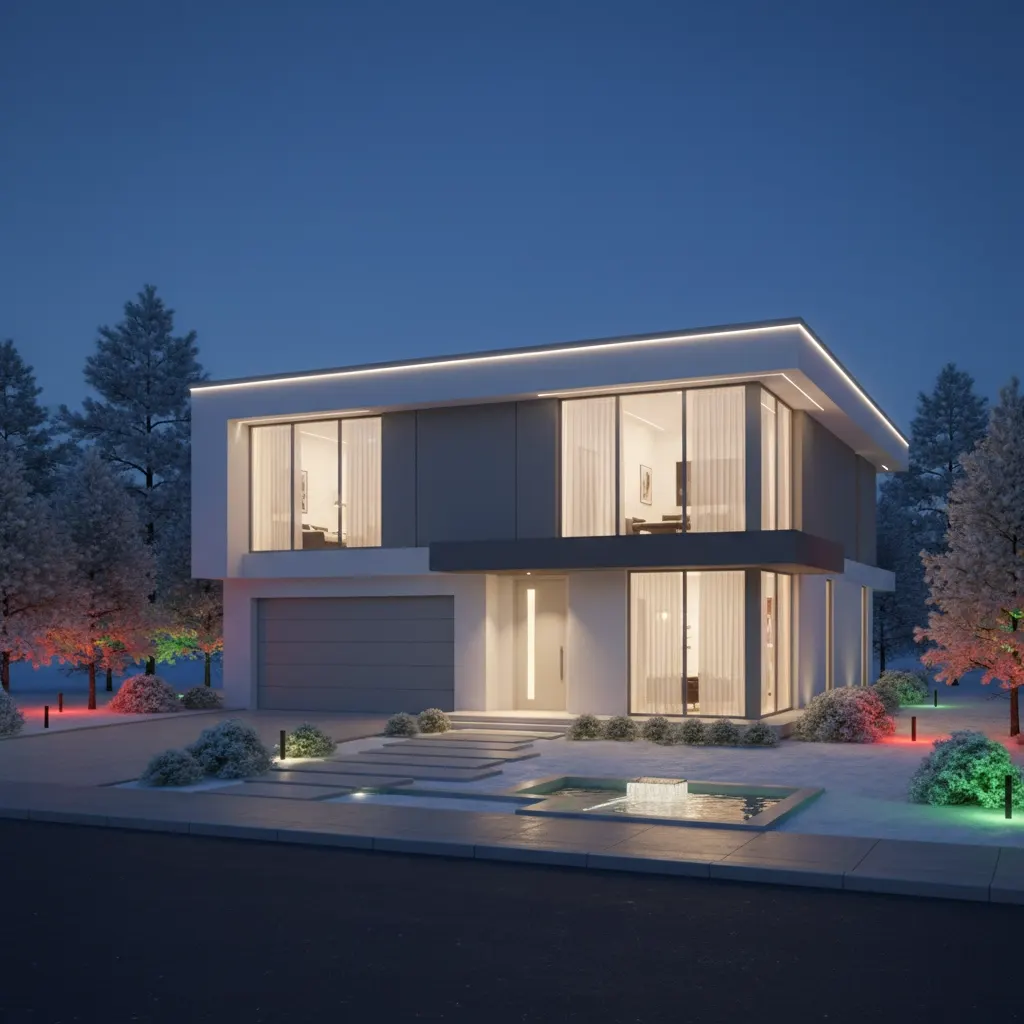
Modern homes with clean lines and minimalist design work best with sleek, straightforward lighting. Think single-color strands or crisp LED lines along flat roof edges that emphasize geometric shapes. These contemporary structures call for restraint and precision in lighting placement.
Cottage and Craftsman homes embrace cozy, warm-white bulbs draped along porch railings, gables, and columns. These charming homes welcome more casual lighting arrangements that highlight their inviting, homey character. The goal is creating that "come sit by the fire" feeling that makes everyone want to visit.
Colonial and Cape Cod styles benefit from symmetrical lighting that mirrors their balanced proportions. Frame windows uniformly and follow rooflines consistently to enhance their classic American charm.
Following Your Home's Natural Lines
Your roofline serves as one of your home's most defining architectural features and should guide your lighting placement. Use lights consistently along eaves and roof edges, carefully outlining dormers or special architectural details like bay windows or decorative trim.
The goal is following the natural flow of your home's structure rather than creating random patterns that distract from the design. For homes with complex rooflines, sketching a simple plan helps visualize where lights will best enhance your home's silhouette against the winter sky.
Pay attention to architectural details that deserve highlighting:
- Window trim and shutters
- Porch columns and railings
- Decorative gables and dormers
- Entry archways and doors
- Interesting angles and curves
These elements create opportunities to add depth and visual interest while respecting your home's original design intent.
Scale and Proportion Magic
The size of your lights should match the scale of your home to avoid overwhelming smaller structures or having lights disappear on larger facades. Small to medium homes work best with smaller bulbs such as C7 size or mini LEDs that enhance architecture without dominating it.
Larger homes can accommodate bolder choices with larger C9 bulbs or mixed sizes, using bigger bulbs for major features and mini lights for smaller details. This layered approach creates visual hierarchy that guides the eye naturally around your home's features.
C9 classic lights serve as showstoppers: large, round bulbs perfect for highlighting architectural features or making outdoor spaces stand out. These traditional favorites work beautifully on larger homes with substantial rooflines and prominent features.
Mini and micro dot lights provide subtle details that complete the lighting ensemble. These delicate lights work perfectly for adding gentle sparkle to wreaths, garlands, or smaller architectural elements with refined elegance.
Color Temperature and Material Harmony
Your home's exterior materials significantly influence how holiday lights appear and should guide your color choices. The right color temperature can make your home glow like a cozy winter cabin or shine like a festive palace.
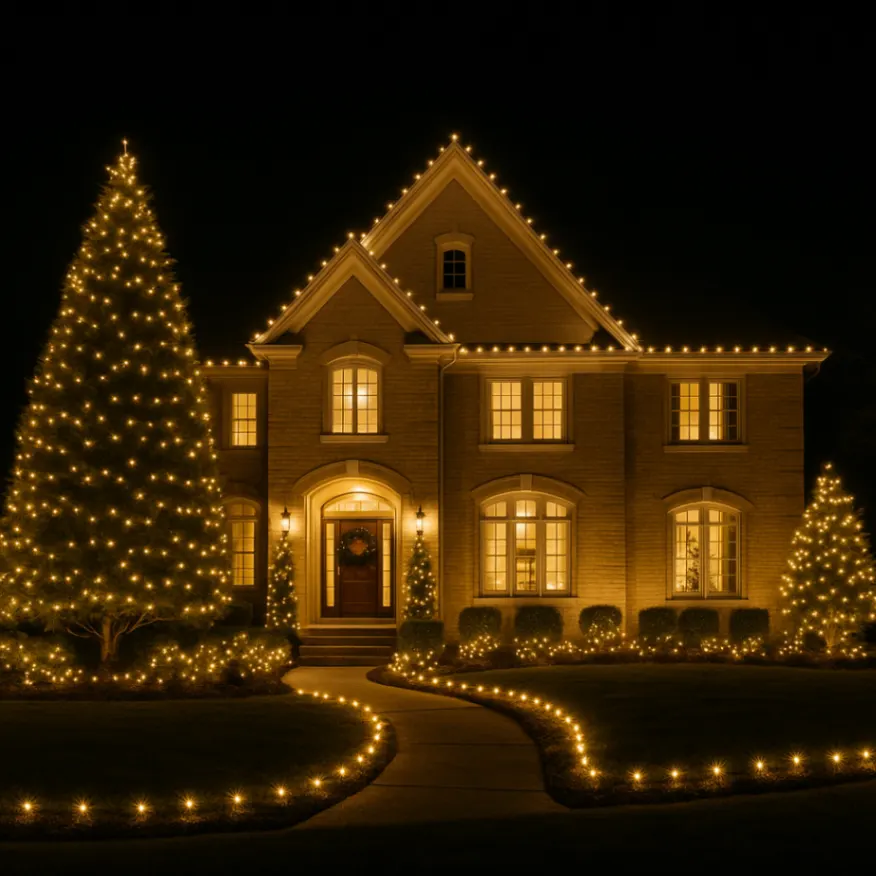
Brick and stone exteriors look fantastic with warm tones: use warm-white or amber lighting to enhance these natural materials. The warm glow complements earth tones and creates that inviting, homey feeling that makes guests want to stay for hot chocolate.
Wood siding and shingles reflect warm colors beautifully and benefit from gentle, cozy lighting that emphasizes their natural texture. These materials practically beg for that golden Christmas glow that makes everyone feel welcome.
Stucco and concrete materials can achieve a sharp, contemporary look with cool-white LEDs or single-color lighting. These modern materials work well with cleaner, more precise lighting arrangements.
Metal and glass features in contemporary homes work well with sleek lights providing subtle glow or spotlights highlighting structural elements. These materials can handle more dramatic lighting effects without looking overdone.
White lights or single soft colors work particularly well when your goal is highlighting your home's architectural details, landscaping, or other exterior elements without competing for attention.
Light Technology Choices
LED Christmas lights represent the smart solution for holiday lighting: efficient, long-lasting, and available in wide ranges of colors and styles. While they cost more upfront, their longevity and energy savings make them a wise investment, plus they stay cooler and safer than alternatives.
Incandescent Christmas lights provide nostalgic warmth with their classic glow reminiscent of cozy winter evenings. Though they consume more energy and can become hot to touch, many homeowners love their traditional appearance and warm color quality.
Consider smart lighting options that allow color changes and programmable displays. These systems let you adjust your lighting throughout the season and even sync with music for special occasions.
Design Principles for Architectural Enhancement
Creating depth through layering lights at various distances from your home incorporates both foreground and background elements for a multi-dimensional effect that emphasizes your residence's architectural depth. This technique makes your home appear more substantial and visually interesting from the street.
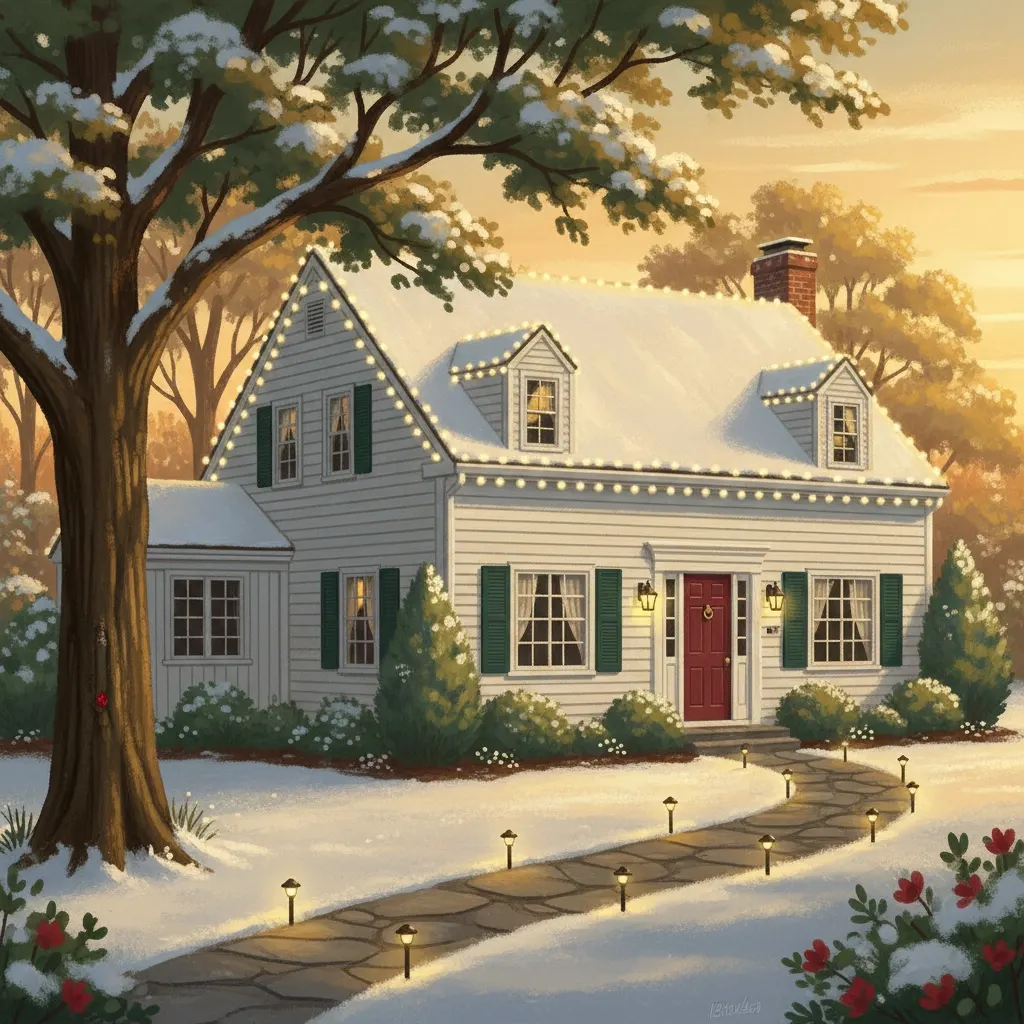
Strategically place lights to accentuate architectural features by tracing window lines, door frames, or highlighting interesting angles and curves. This approach not only enhances decorations but showcases your home's design beauty year-round.
Maintain a cohesive color scheme that coordinates with your home's exterior palette for harmonious integration that complements your architectural style. Sometimes less creates more impact: thoughtfully placed lights often achieve greater visual effect than overloaded displays.
Consider these layering techniques:
- Outline major roof lines first
- Add window and door framing
- Include landscaping elements
- Highlight walkways and entries
- Add accent lighting for special features
Safety and Professional Installation
Ensure holiday lights are securely fastened to avoid potential damage to your home's structure using clips or hooks designed for exterior use. LED lights offer additional safety benefits as they remain cooler during operation.
Invest in timers or smart outlets for automatic operation, saving energy while maintaining consistent displays. Properly secure all lights to prevent sagging or damage from wind and snow, especially important for homes in areas with harsh winter weather.
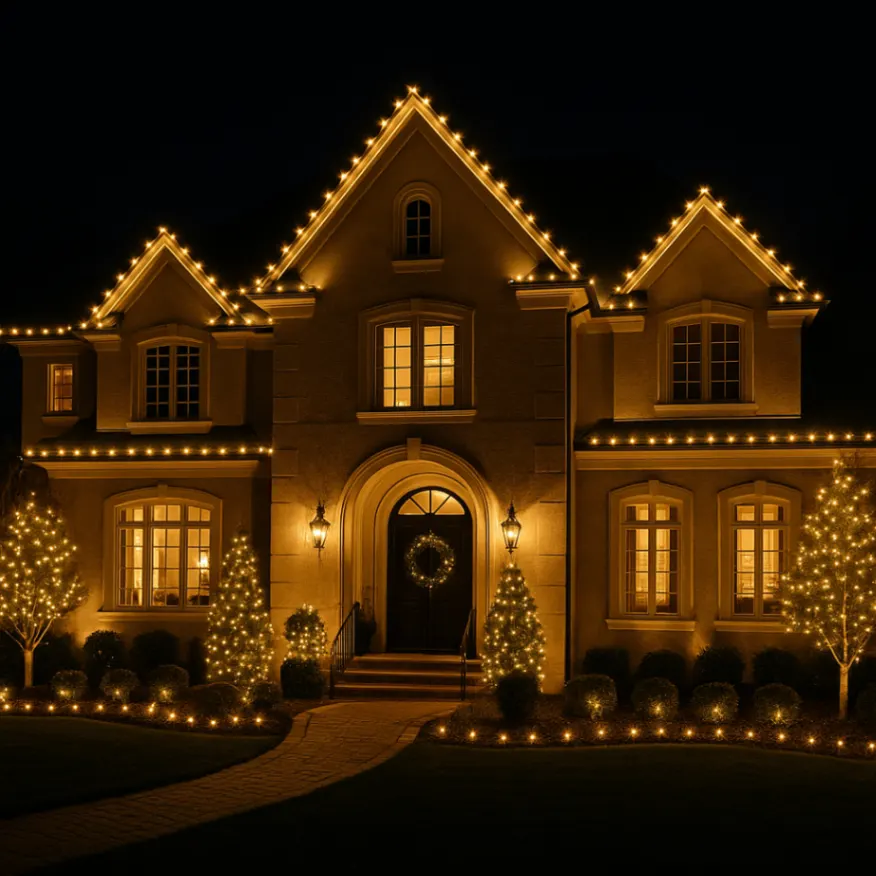
Professional installation offers several advantages:
- Proper equipment and safety training
- Knowledge of electrical requirements
- Experience with different architectural styles
- Seasonal removal and storage services
- Warranty and insurance coverage
Making Your Decision
The most successful holiday lighting displays respect and enhance your home's architectural character while creating the festive atmosphere you desire. By considering your home's style, scale, materials, and structural features, you can create a stunning display that feels both intentional and magical.
Start by walking around your home during daylight hours, noting architectural features that deserve highlighting. Take photos from the street view to understand how your lighting will appear to neighbors and passersby. Plan your design on paper before purchasing lights to ensure you have the right quantities and types.
Remember that Christmas lighting should bring joy and wonder to your neighborhood while showcasing your home's best architectural features. Whether you choose warm traditional lights or modern LED displays, the key is creating a cohesive design that makes your home shine like the star on top of Santa's tree.
The right holiday lights don't just decorate your home: they celebrate its unique architectural personality while spreading Christmas cheer throughout your community.
Want it done for you?
Free on-site walk-through, fixed price, no obligation.